Managing money in Japan is a unique experience that requires a little bit of adjustment. While the country is rapidly digitizing, it remains a culture where physical cash is highly respected and frequently required. Understanding how to handle local currency will save you both stress and unnecessary fees.
💴 Understanding Japanese Yen (Coins & Bills)
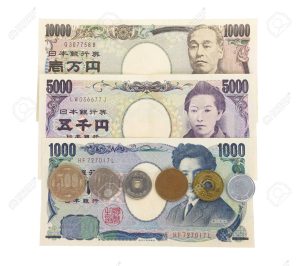
Japanese currency consists of six coin denominations and three common paper bill denominations.
-
The Coins: 1 Yen, 5 Yen, 10 Yen, 50 Yen, 100 Yen, and 500 Yen.
-
The Bills: 1,000 Yen, 5,000 Yen, and 10,000 Yen.
-
The 10,000 Yen Rule: In many countries, breaking a large $100-equivalent bill for a tiny purchase is frowned upon. In Japan, it is entirely normal. Do not feel embarrassed to hand a 10,000 Yen bill to a cashier for a 150 Yen bottle of water. They will politely accept it and return your exact change without hesitation.
-
👛 Pro Tip: Get a Coin Purse: Because coins are used for values all the way up to 500 Yen (roughly $3.00 to $5.00 USD depending on exchange rates), you will accumulate a substantial amount of loose change. Buying a small, dedicated zippered coin purse is highly recommended to keep your pockets from becoming heavy and burdened.
💳 Credit Cards: Foreign Fees & Terminal Secrets
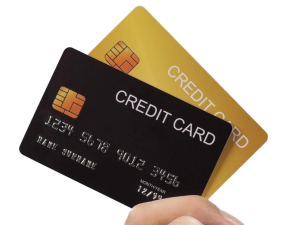
Credit cards are widely accepted at major hotels, department stores, train ticket offices, and established restaurants, but smaller neighborhood shops, market stalls, and temple ticket booths are strictly cash-only.
-
No Foreign Transaction Fees: Before you depart, review your credit cards and select ones that explicitly state they charge 0% for foreign transaction fees. Many standard cards charge a hidden 3% fee on every single international purchase, which adds up quickly over a long trip.
-
Travel Notices: Check with your bank to see if they require a travel notice. While many modern banks automate fraud detection, notifying them of your specific travel dates prevents your card from being locked on Day 1.
-
The Currency Choice (Choose YEN): When paying with a credit card, the payment terminal might look at your foreign card and offer a choice on the screen: Pay in Local Currency (Yen) or Pay in Your Home Currency (e.g., USD). Always select YEN. If you choose your home currency, the local store’s bank uses a predatory practice called Dynamic Currency Conversion (DCC), applying a terrible exchange rate and charging an extra markup. Selecting Yen forces your home bank to handle the conversion at the true market rate.
🏧 ATMs: The Convenience Store Lifesaver
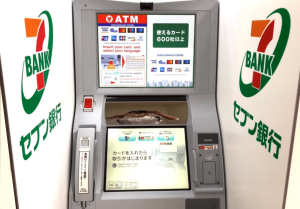
Withdrawing cash directly on the ground using your home debit card has become the preferred method for modern travelers.
-
Where to Go: You do not need to hunt down a traditional bank. Instead, walk into any convenience store—with 7-Eleven (Seven Bank ATMs) being the absolute gold standard for international cards. They accept major global networks like Visa, Mastercard, and Plus, offer full English menus, and operate 24/7.
-
The Cost: While your home bank might charge an out-of-network fee, the local Japanese ATM fee itself is incredibly low (usually only 110 to 220 Yen per withdrawal). Using a high-quality travel debit card that offers worldwide ATM fee rebates makes this the cheapest way to secure cash. Just like credit card terminals, if the ATM asks whether you want to settle the transaction in Yen or your home currency, always choose Yen.
🚌 Alternative Payments: Transit IC Cards
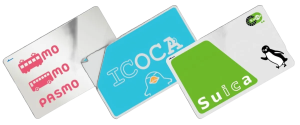
Another highly efficient way to pay for daily goods is by using your prepaid transit IC Cards (such as Suica, Pasmo, or ICOCA). Once you load funds onto these cards via your smartphone or a station kiosk, you can tap them to instantly pay for items at convenience stores, vending machines, coin lockers, and many casual fast-food restaurants nationwide.
🚫 Tipping is Not Customary
There is absolutely no tipping culture in Japan. Exceptional service is viewed as the standard protocol, and leaving extra cash behind can cause genuine confusion—a server will often chase you down the street to return the money you “forgot.”
-
The Sole Exception: If you are taking a local taxi and want to avoid dealing with a handful of tiny coins, it is perfectly acceptable to tell the driver to keep the loose change from your transaction.